Private jet travel offers pets a stress-free alternative to commercial airlines. According to the American Veterinary Medical Association, over 67% of U.S. households own pets, and many struggle with airline travel restrictions (AVMA, 2024). Private aviation eliminates crowded cabins, long security lines, and breed restrictions that plague commercial carriers. Most operators allow dogs and cats on board with minimal advance notice. Understanding operator policies, import regulations, and preparation techniques ensures your furry companion arrives safe and comfortable.
Key Takeaways
– Private jet operators typically allow 1-2 pets per flight with minimal restrictions
– Budget $300-800 in pet fees plus cleaning costs
– Hawaii and EU destinations require health certificates and quarantine protocols
– Hydration and familiar items reduce flight anxiety
What Are Typical Private Jet Operator Policies for Pets?
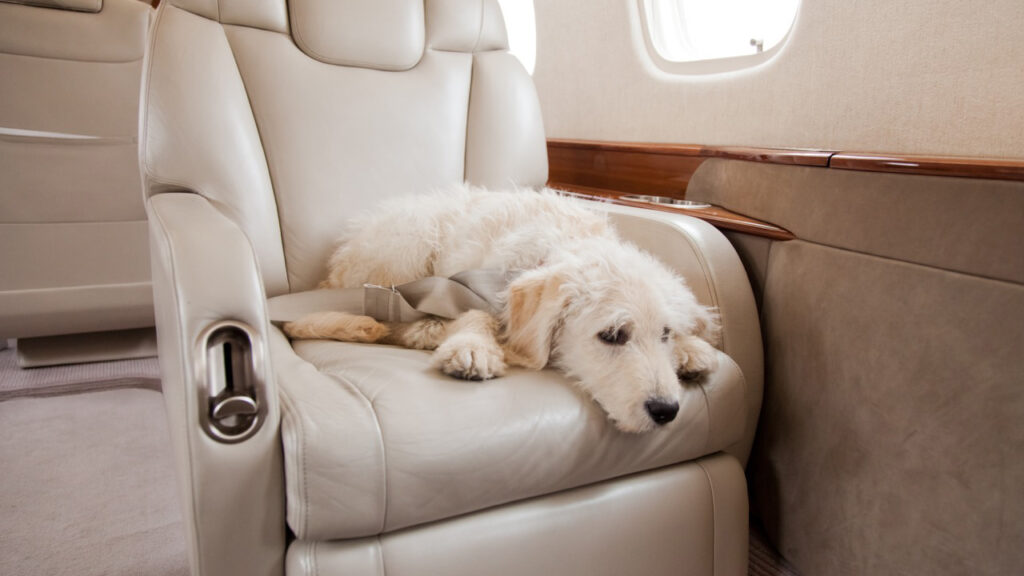
Most charter companies welcome well-behaved pets without breed or size limits. Operators permit dogs, cats, and small animals in the cabin, though advance notice is required. Some charge $300-500 per flight for pet accommodation, while others integrate the cost into standard pricing. Many operators offer in-cabin pet relief areas on larger aircraft, reducing bathroom anxiety during flights.
Share your pet’s temperament, dietary needs, and anxiety triggers with the crew. Most operators allow you to bring pet carriers, blankets, and toys from home, which provide familiar scents that reduce stress. Always request a pet-friendly aircraft during booking and confirm your specific aircraft model accommodates your pet’s needs. Travelers frequently use services like https://flybitlux.com to arrange customized pet-friendly flights.
How Much Do Additional Pet Fees and Cleaning Costs Run?
Pet travel on private jets typically costs less than commercial alternatives. Expect $300-800 in per-flight pet charges depending on operator and aircraft size. Cleaning fees range from $400-1,200 after landing, especially if your pet has accidents or sheds heavily. Some operators bundle these costs, while others bill separately, so request a complete quote during booking.
High-end operators may charge premium rates for rare breeds or multiple pets. However, costs remain substantially lower than rebooking commercial flights when airlines deny your pet. Some operators waive pet fees for charter memberships, making frequent pet travel more affordable. Ask about seasonal pricing, as summer travel typically commands higher rates due to increased demand.
What Import Rules Apply to Hawaii and International Destinations?
Hawaii maintains the strictest U.S. pet import rules due to its rabies-free status. Dogs and cats need a rabies vaccination at least 30 days before arrival, an import permit, and either a microchip or tattoo for identification. The rabies-free quarantine can be waived if you follow a specific pre-arrival protocol involving veterinary certificates dated 10-30 days before travel. Most pet owners require 3-4 weeks of advance preparation for Hawaii trips.
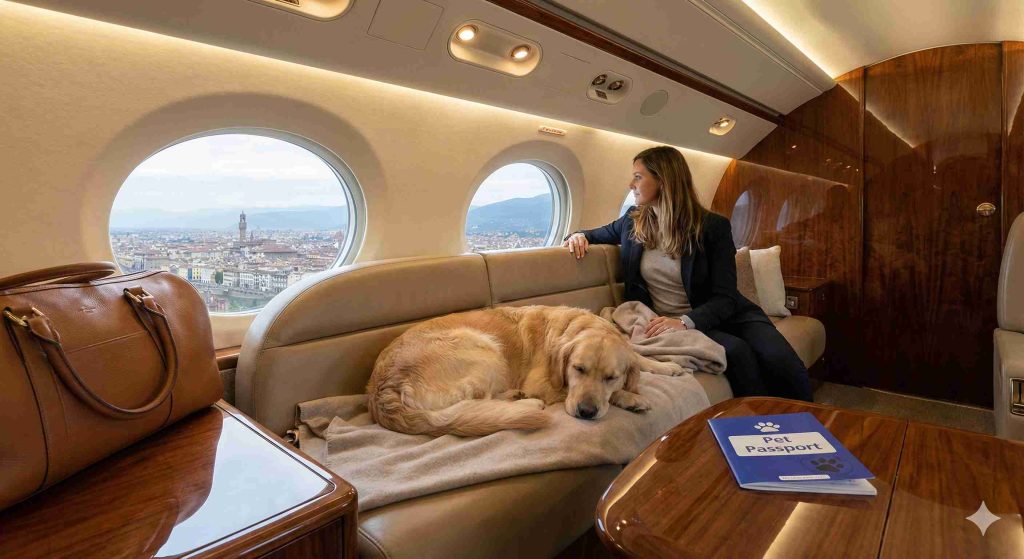
EU destinations require an EU pet passport, microchip registration, and rabies vaccination proof. The UK, post-Brexit, has additional requirements beyond standard EU rules. Check destination requirements 60 days before travel, as veterinary clinics often schedule appointments weeks in advance. Your private jet crew can’t clear customs for you, so you’ll handle documentation at the destination airport yourself.
How Should You Prepare Your Pet for Private Jet Travel?
Start preparation two weeks before departure. Schedule a veterinary check-up to confirm your pet is flight-ready, especially for elderly animals or those with respiratory conditions. Ask your vet about calming options, which might include pheromone diffusers, anxiety supplements, or prescription sedatives for severely anxious pets. Never sedate without professional guidance, as altitude changes affect medication metabolism.
Pack a comfort kit including favorite toys, a recent photo for identification, medical records, and at least three days of food in original packaging. Bring collapsible water bowls and ask the crew about cabin hydration during flight. Many pets experience dehydration at altitude, so offer water more frequently than ground-level routines.
Feed your pet 2-3 hours before departure to reduce motion sickness. Avoid major diet changes during travel week. Some operators provide designated relief areas with artificial turf, but bring pee pads as backup. Arrive 30-45 minutes early to let your pet acclimate to the cabin before takeoff.
Conclusion
Pet travel on private jets transforms flying with your companion from stressful to straightforward. Unlike commercial airlines that restrict breeds, charge $125-200 per pet, and confine animals to cargo, private aviation keeps your pet with you throughout the flight. Reviewing operator policies, budgeting for additional fees, understanding destination import requirements, and preparing properly ensure a smooth journey. Whether heading to Hawaii, Europe, or a domestic destination, private aviation offers pet-friendly travel that prioritizes comfort and safety.